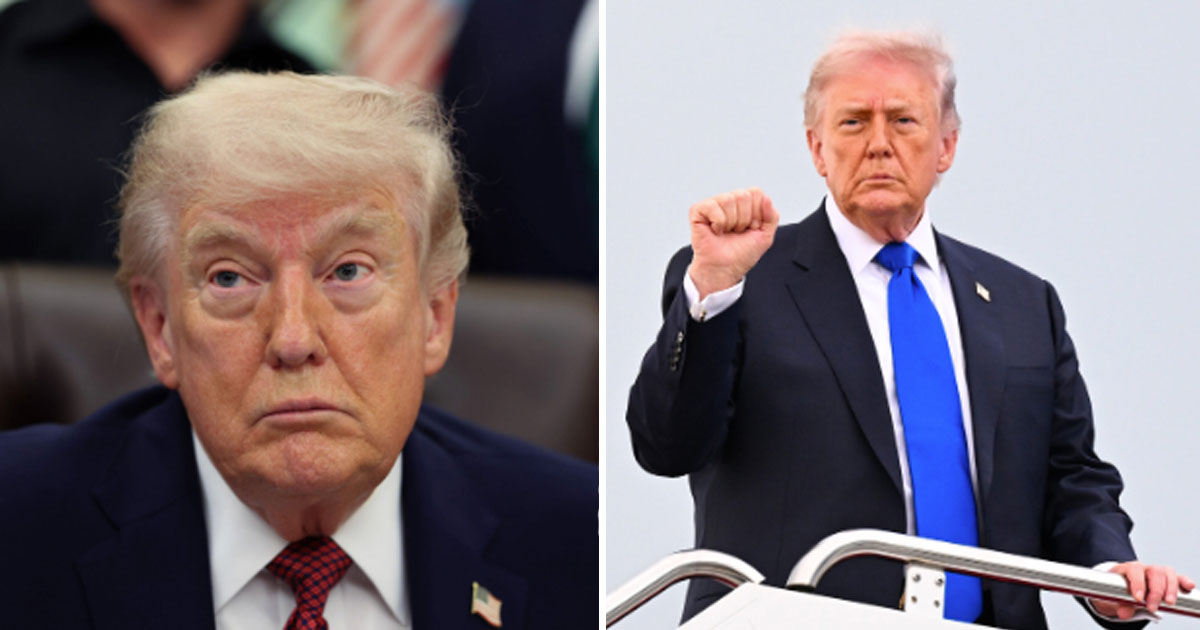
- “We know the drug works because we’ve taken people that were dead. We had a person given the last rites, gone, the kids are crying and everything, and started them on this drug. And the person became better. It works.”
He added that while not every treatment succeeds, medical researchers learn quickly through testing and observation.
The comments immediately generated strong reactions online, with critics questioning both the wording of the claim and the absence of specific details about the medication involved.
Many social media users argued that no currently known drug can literally revive someone who has already died. Others suggested Trump may have been speaking informally about patients who were believed to be near death rather than clinically deceased.
The controversy grew as people debated whether the remarks were exaggerated, misunderstood, or simply lacking important context.
Although Trump did not identify the drug by name, some observers speculated that he may have been referring to the federal “Right to Try” program, which he signed into law during his first presidency.
The Right to Try Act allows terminally ill patients to seek access to certain experimental treatments that have completed initial safety testing but have not yet received full approval from the U.S. Food and Drug Administration.
Supporters of the program argue that it gives patients with life-threatening illnesses an opportunity to try promising therapies when conventional options have been exhausted. Critics, however, have questioned how often the law is used and whether it provides meaningful benefits beyond existing compassionate-use pathways.
Medical experts note that there is currently no verified scientific evidence showing that any drug can restore life to someone who is medically dead. However, there are documented cases in medicine where patients in extremely critical condition—sometimes believed unlikely to survive—have recovered after receiving experimental or aggressive treatment.
As a result, some observers believe Trump may have been referring to patients who were considered near death rather than literally deceased.
The remarks have continued to draw attention because they touch on a sensitive area where politics, medicine, and public expectations intersect. While supporters view the comments as highlighting breakthroughs in experimental treatment, critics argue that statements involving life-saving medical claims should be supported by clear evidence and precise language.
For now, no specific drug has been publicly identified by Trump in connection with the claim, and no evidence has been presented showing that a medication can literally bring a deceased person back to life.

Related Posts
She Thought It Would Be A Simple Night… But What Happened After Changed Everything
It started as a decision she didn’t overthink. Just a moment, a choice, something she believed would bring excitement, maybe even a sense of freedom. She wasn’t…
VERY SAD ,40 minutes ago in Chicago, Americas Got Talent Simon Cowell
Reports from Chicago have sparked concern among fans after television producer and talent show judge Simon Cowell was reportedly involved in a worrying incident earlier today during…
Joven was hospitalized after being…See more
It happened without warning.One moment everything seemed normal… the next, Joven was being rushed to the hospital.The details were unclear at first. Family members were shaken. Friends…
The Fatal Leap: How a Carefree Adventure Turned Into a Nightmare of Negligence
The air was filled with excitement as a young woman prepared to face her fears, trusting professionals to ensure her safety. But in a single moment, that…
Police Arrest Suspect in Unusual Wildlife Case in U.S. Woodland Region
Police Arrest Suspect in Unusual Wildlife Case in U.S. Woodland Area A quiet, wooded region in the United States has become the center of a troubling…
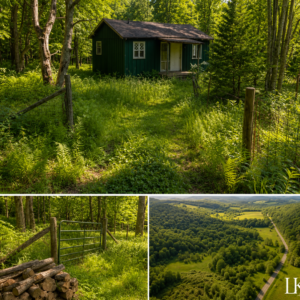
This $19,000 Ohio Cabin Is So Isolated, It Feels Like the World Disappears
Hidden deep in the quiet hills of southeastern Ohio, this small green cabin sits surrounded by nothing but trees, open land, and complete silence. No neighbors. No…